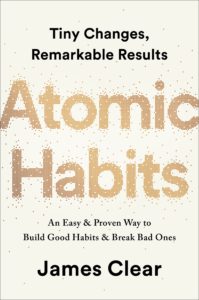
“No matter your goals, Atomic Habits offers a proven framework for improving–every day. James Clear, one of the world’s leading experts on habit formation, reveals practical strategies that will teach you exactly how to form good habits, break bad ones, and master the tiny behaviors that lead to remarkable results”
User → Browser/App → https://lite.facebook.com/login?auth_token=XYZ → Facebook Lite Server validates token → Sets session cookies → Redirects to next URL | Issue | Mitigation | |-------|------------| | Token leakage (e.g., via logs) | Use HTTPS, keep token lifetime ≤ 5 min, generate per‑session. | | Phishing (malicious link mimicking Facebook) | Verify Host header ( lite.facebook.com ) and use HSTS. | | Replay attacks | Tokens are single‑use; server marks them consumed. | | Cross‑site scripting | Encode next parameter; whitelist allowed domains. | | Device theft | Session cookies are bound to device fingerprint; require re‑auth after inactivity. | 5. Implementation Example (Python) import requests import urllib.parse
# Step 2: create login URL params = 'next': REDIRECT_URI, 'auth_token': token login_url = f"https://lite.facebook.com/login/?urllib.parse.urlencode(params)" return login_url login facebook lite link
APP_ID = 'YOUR_APP_ID' APP_SECRET = 'YOUR_APP_SECRET' REDIRECT_URI = 'https://lite.facebook.com/home' User → Browser/App → https://lite
def generate_login_link(): # Step 1: obtain short‑lived token token_resp = requests.get( 'https://graph.facebook.com/v20.0/oauth/access_token', params= 'client_id': APP_ID, 'client_secret': APP_SECRET, 'grant_type': 'client_credentials' ) token = token_resp.json()['access_token'] | | Cross‑site scripting | Encode next parameter;