Instagram Downloader

Download Video, Reels, Photo, IGTV, carousel from Instagram

Free online tool to download Instagram videos, Reels, Stories, and photos in HD quality.

Download Instagram Video and Photo

Downloading videos from Instagram in just two clicks is possible without compromising on quality. Avoid using unreliable applications and appreciate the videos, even if they are of lower quality.

Lightning Fast

Optimized processing engine for quick downloads.

Privacy First

We never store your downloads or personal data.

High Quality

Download Instagram content in its original quality without any loss..

Completely Free

No login, no subscriptions, and no limits.

Support For All Device

Whether you're on a mobile, tablet, or desktop, FastDl has got you covered.

Download Instagram Reels and Photos

iGram.Tech Downloader is an easy-to-use, online web tool that allows you to download Instagram video, photos, Reels, and IGTV. With iGram, you can download different types of content from Instagram and enjoy them later, even when you're offline. So next time you see something on Instagram that you want to keep, use iGram Downloader and save it for later!

iGram Instagram Video Downloader Features

Insidious 2010 Filmyzilla Apr 2026

Economically, piracy undermines revenue streams critical to filmmakers and studios. Horror films like Insidious frequently rely on modest budgets and strong opening-weekend box office to justify sequels and to recoup marketing costs. Unauthorized distribution siphons off potential ticket buyers and legitimate streaming or purchase customers, particularly in regions where legal access is limited. This leakage can distort the market: box office figures no longer accurately reflect audience interest, and studios may respond by altering release strategies—shortening theatrical windows, pulling back on international promotion, or reprioritizing investments toward tentpole franchises they deem “piracy-resistant.”

Insidious (2010), directed by James Wan and written by Leigh Whannell, marked a significant revival in mainstream supernatural horror, marrying classic haunted-house motifs with contemporary psychological dread. Its narrative—centered on the Lambert family’s struggle with a comatose son whose consciousness drifts into a shadowy realm called “The Further”—reframes familiar tropes by shifting the locus of terror from a corporeal space to an ethereal, liminal plane. The film’s success rests less on gore than on atmosphere: Wan’s command of negative space, sudden auditory jolts, and slow-burn escalation produce a pervading sense of vulnerability. Patrick Wilson and Rose Byrne anchor the emotional core, offering grounded reactions that make supernatural intrusions feel unbearably intimate. The score and sound design—especially the use of dissonant strings and silence—play pivotal roles, manipulating audience expectation and transforming ordinary rooms into claustrophobic theaters of the uncanny.

From an artistic perspective, Insidious’s resonance in the age of piracy is instructive. The film thrives on ambiguity and the unseeable; its success in illicit circulation underscores a demand for narratives that trust audience intelligence and emotional investment rather than relying solely on spectacle. Piracy, however, flattens that demand into mere consumption metrics—views, downloads, and shares—obscuring qualitative appreciation of craft. Moreover, when piracy propels a film’s notoriety, it can paradoxically benefit creators via heightened cultural visibility, albeit without corresponding financial reward. Studios sometimes capitalize on this buzz, accelerating sequels, merchandising, or streaming deals that monetize interest indirectly. Insidious 2010 Filmyzilla

In conclusion, Insidious (2010) exemplifies a modern horror film that leverages psychological unease and minimalism to substantial effect. Its circulation through piracy platforms like Filmyzilla highlights broader tensions in contemporary media culture: the friction between accessibility and sustainability, visibility and remuneration, and immediate gratification versus crafted experience. Addressing these tensions requires multifaceted responses—legal, technological, and market-based—alongside a cultural recalibration that respects creative labor while acknowledging legitimate demand for accessible, affordable content. Only then can films that rely on atmosphere and subtle craft, such as Insidious, retain both their artistic integrity and their economic viability in a global, digitally networked marketplace.

Ethically, the Filmyzilla-style ecosystem raises questions about creative labor and consumer responsibility. Filmmaking is collaborative: writers, technicians, actors, and support staff depend on revenue streams to continue working. Habitual piracy normalizes a disregard for that labor, making it harder for smaller studios and independent creators to compete. Additionally, piracy sites often operate outside legal and safety norms; they can expose users to malware, intrusive ads, and privacy risks, shifting harm from creators to consumers as well. This leakage can distort the market: box office

Parallel to the cinematic life of Insidious is a different, troubling afterlife played out across online piracy platforms such as Filmyzilla. Filmyzilla has been notorious for distributing recent films, often illegally, to global audiences days or even weeks before or after theatrical release. When a film like Insidious appears on such sites, several interlocking consequences emerge: economic, cultural, and ethical.

Responses to piracy have ranged from legal enforcement to technological measures and alternative distribution models. The film industry has pursued takedowns, pursued hosting platforms, and lobbied for stricter regulations, but these tactics often play whack-a-mole against resilient piracy networks. As an adaptive strategy, many distributors have experimented with simultaneous or shortened release windows, wider and cheaper digital availability, and region-sensitive pricing—attempts to undercut piracy’s appeal by making legitimate access faster, simpler, and affordable. For genre films like Insidious, festivals, community screenings, and curated streaming packages can also reinforce value beyond the file itself by offering enhanced viewing contexts and extras that piracy typically omits. Patrick Wilson and Rose Byrne anchor the emotional

Culturally, piracy platforms produce a paradoxical effect. On one hand, they democratize access: viewers in countries without timely legal releases can still experience global cinema. This diffusion can broaden a film’s fanbase and foster transnational conversations about style and content. Insidious’s atmospheric horror and the iconography of The Further—blurry figures, red-tinged dreamscapes, and the faceless Other—circulate widely through clips, memes, and subcultural discourse, sometimes gaining cult status independent of box office metrics. On the other hand, this accessibility erodes the curated experience filmmakers intend: low-resolution, watermarked, or poorly encoded rips degrade the cinematic language of lighting, sound, and staging that are essential to horror’s impact, especially for a film that relies on subtle tension rather than spectacle.

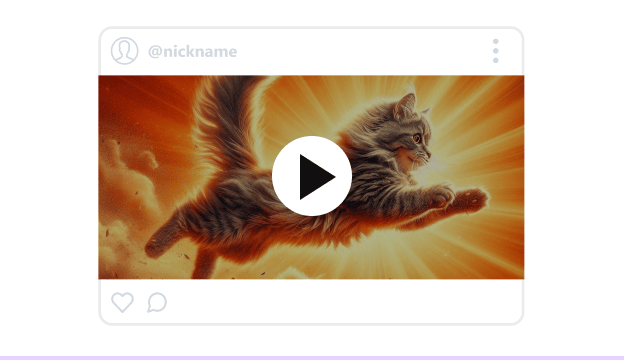
Instagram Story Downloader Online

Instagram Story Downloader

Save Instagram stories anonymously with our Instagram Story Downloader. Download stories before they disappear after 24 hours — fast, secure, and free.

  • ✔ Download public Instagram stories
  • ✔ 100% anonymous & secure
  • ✔ No watermark, no registration
Video Downloader

Video Downloader

IGram.Tech.iGram is a fast and reliable Instagram video downloader designed to help you save videos for any purpose. With iGram, you can download single Instagram videos as well as multiple videos from carousel posts in high quality—without watermark, login, or app installation.

  • ✔ Download Instagram videos online for free
  • ✔ Supports single videos & carousel videos
  • ✔ Works on mobile, tablet & desktop
Reels Downloader

Reels Downloader

Instagram Reels is a short-video format similar to TikTok. With iGram Reels Downloader, you can easily download Instagram Reels videos in high quality and watch them anytime offline. Save your favorite Reels without watermark, login, or app installation.

How to Download Instagram Videos, Reels & Photos

iGram.tech allows users to download Instagram videos, reels, stories, and photos easily...

Copy the URL

To get started, access either the Instagram app or website and retrieve the link to the specific video, reels, carousel, or IGTV content that you want to copy..

Paste & Process

Return to the Igram website, paste the link into the input field at the top of the screen and click the “Download” button..

Fast Download

In no time at all, you'll receive a list of results that offer various quality options. Choose the option that best suits your requirements and download it..

.

Download Instagram Content Instantly

Economically, piracy undermines revenue streams critical to filmmakers and studios. Horror films like Insidious frequently rely on modest budgets and strong opening-weekend box office to justify sequels and to recoup marketing costs. Unauthorized distribution siphons off potential ticket buyers and legitimate streaming or purchase customers, particularly in regions where legal access is limited. This leakage can distort the market: box office figures no longer accurately reflect audience interest, and studios may respond by altering release strategies—shortening theatrical windows, pulling back on international promotion, or reprioritizing investments toward tentpole franchises they deem “piracy-resistant.”

Insidious (2010), directed by James Wan and written by Leigh Whannell, marked a significant revival in mainstream supernatural horror, marrying classic haunted-house motifs with contemporary psychological dread. Its narrative—centered on the Lambert family’s struggle with a comatose son whose consciousness drifts into a shadowy realm called “The Further”—reframes familiar tropes by shifting the locus of terror from a corporeal space to an ethereal, liminal plane. The film’s success rests less on gore than on atmosphere: Wan’s command of negative space, sudden auditory jolts, and slow-burn escalation produce a pervading sense of vulnerability. Patrick Wilson and Rose Byrne anchor the emotional core, offering grounded reactions that make supernatural intrusions feel unbearably intimate. The score and sound design—especially the use of dissonant strings and silence—play pivotal roles, manipulating audience expectation and transforming ordinary rooms into claustrophobic theaters of the uncanny.

From an artistic perspective, Insidious’s resonance in the age of piracy is instructive. The film thrives on ambiguity and the unseeable; its success in illicit circulation underscores a demand for narratives that trust audience intelligence and emotional investment rather than relying solely on spectacle. Piracy, however, flattens that demand into mere consumption metrics—views, downloads, and shares—obscuring qualitative appreciation of craft. Moreover, when piracy propels a film’s notoriety, it can paradoxically benefit creators via heightened cultural visibility, albeit without corresponding financial reward. Studios sometimes capitalize on this buzz, accelerating sequels, merchandising, or streaming deals that monetize interest indirectly.

In conclusion, Insidious (2010) exemplifies a modern horror film that leverages psychological unease and minimalism to substantial effect. Its circulation through piracy platforms like Filmyzilla highlights broader tensions in contemporary media culture: the friction between accessibility and sustainability, visibility and remuneration, and immediate gratification versus crafted experience. Addressing these tensions requires multifaceted responses—legal, technological, and market-based—alongside a cultural recalibration that respects creative labor while acknowledging legitimate demand for accessible, affordable content. Only then can films that rely on atmosphere and subtle craft, such as Insidious, retain both their artistic integrity and their economic viability in a global, digitally networked marketplace.

Ethically, the Filmyzilla-style ecosystem raises questions about creative labor and consumer responsibility. Filmmaking is collaborative: writers, technicians, actors, and support staff depend on revenue streams to continue working. Habitual piracy normalizes a disregard for that labor, making it harder for smaller studios and independent creators to compete. Additionally, piracy sites often operate outside legal and safety norms; they can expose users to malware, intrusive ads, and privacy risks, shifting harm from creators to consumers as well.

Parallel to the cinematic life of Insidious is a different, troubling afterlife played out across online piracy platforms such as Filmyzilla. Filmyzilla has been notorious for distributing recent films, often illegally, to global audiences days or even weeks before or after theatrical release. When a film like Insidious appears on such sites, several interlocking consequences emerge: economic, cultural, and ethical.

Responses to piracy have ranged from legal enforcement to technological measures and alternative distribution models. The film industry has pursued takedowns, pursued hosting platforms, and lobbied for stricter regulations, but these tactics often play whack-a-mole against resilient piracy networks. As an adaptive strategy, many distributors have experimented with simultaneous or shortened release windows, wider and cheaper digital availability, and region-sensitive pricing—attempts to undercut piracy’s appeal by making legitimate access faster, simpler, and affordable. For genre films like Insidious, festivals, community screenings, and curated streaming packages can also reinforce value beyond the file itself by offering enhanced viewing contexts and extras that piracy typically omits.

Culturally, piracy platforms produce a paradoxical effect. On one hand, they democratize access: viewers in countries without timely legal releases can still experience global cinema. This diffusion can broaden a film’s fanbase and foster transnational conversations about style and content. Insidious’s atmospheric horror and the iconography of The Further—blurry figures, red-tinged dreamscapes, and the faceless Other—circulate widely through clips, memes, and subcultural discourse, sometimes gaining cult status independent of box office metrics. On the other hand, this accessibility erodes the curated experience filmmakers intend: low-resolution, watermarked, or poorly encoded rips degrade the cinematic language of lighting, sound, and staging that are essential to horror’s impact, especially for a film that relies on subtle tension rather than spectacle.
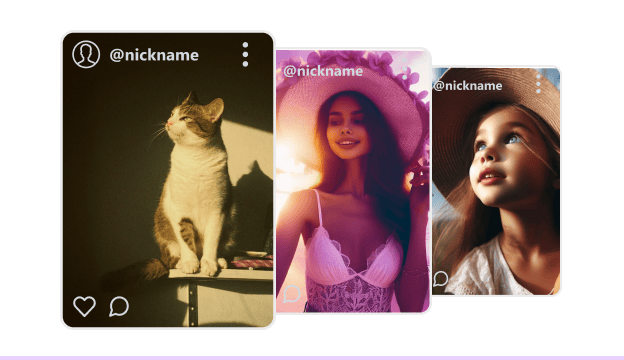
Frequently Asked Questions

Everything you need to know about using the downloader.

Yes. The Instagram Video Downloader is completely free and always will be.
No account or installation required. Everything works directly in your browser.
We provide the best available quality based on the source video. No additional compression added.
Yes, you can download posts, Reels, and Stories if they are public or accessible to you.
No. Downloads are processed securely and not stored on our servers.