def add_app2(jpeg_path, out_path, payload_bytes): # Read the original JPEG as raw bytes with open(jpeg_path, 'rb') as f: data = f.read()

Putting it together, “filedot lovely alazai jpg patched” most often describes (or “patched”) for a specific purpose. 2. Why would a JPEG be patched? | Reason | Description | Example tools / techniques | |--------|-------------|-----------------------------| | Corruption repair | JPEG files are made of many independent segments; a broken segment can be replaced with a correct one from a backup or a reconstructed version. | jpegtran -copy none -optimize , exiftool to rewrite headers. | | Metadata editing | Adding, removing, or correcting EXIF, XMP, or IPTC metadata (e.g., timestamps, GPS coordinates, camera settings). | exiftool -All= file.jpg , Adobe Lightroom, Exif Pilot. | | Steganography | Hiding data (text, other files, even executable code) inside the JPEG’s payload without affecting visual quality. | steghide , OpenStego , custom LSB (least‑significant‑bit) scripts. | | Malware embedding | Some attackers embed malicious code in a JPEG’s APP sections or as extra data after the End‑of‑Image (EOI) marker. The file still opens as an image, but a vulnerable viewer may execute the payload. | “JPEG‑Dropper” techniques, malicious email attachments. | | Watermarking / anti‑tamper | Embedding a cryptographic hash or digital signature to prove integrity or ownership. | jpencrypt , custom Python scripts using Pillow. | | Format conversion quirks | Converting from another format (e.g., PNG → JPEG) while preserving certain features may require manual tweaking of the JPEG header. | ImageMagick , ffmpeg . | 3. Technical basics of the JPEG format | Component | What it does | Typical size | Relevance to patching | |-----------|--------------|--------------|-----------------------| | SOI marker ( 0xFFD8 ) | Start of Image – tells a decoder where the file begins. | 2 bytes | Must stay untouched; moving it breaks the file. | | APPn markers ( 0xFFE0 ‑ 0xFFEF ) | Store optional data such as EXIF ( APP1 ), JFIF ( APP0 ), Adobe ( APP14 ). | Variable (often a few KB) | Common patch target for metadata or hidden data. | | DQT (Define Quantization Table) | Defines compression strength. | Variable | Changing it alters image quality and file size. | | SOF (Start of Frame) | Holds image dimensions, colour space, sampling factors. | Variable | Tweaking can corrupt the image if not done carefully. | | SOS (Start of Scan) | Begins the compressed image data stream. | Variable | The bulk of the file; most patching avoids editing raw compressed data because it would require re‑encoding. | | EOI marker ( 0xFFD9 ) | End of Image – marks file termination. | 2 bytes | Data placed after the EOI is ignored by most viewers but can be read by custom tools (used in steganography). |

# Build an APP2 marker: 0xFFE2 + length (2 bytes) + payload # Length includes the two length bytes themselves. length = len(payload_bytes) + 2 app2_marker = b'\xFF\xE2' + struct.pack('>H', length) + payload_bytes

# Insert APP2 right after SOI (common placement) patched = data[:2] + app2_marker + data[2:]

[APP2] LovelyAlazaiPatchV1 If you suspect a JPEG contains unwanted data after the EOI marker, you can strip everything beyond 0xFFD9 :

# Usage payload = b'LovelyAlazaiPatchV1' # any bytes you want to embed add_app2('lovely_alazai.jpg', 'lovely_alazai_patched.jpg', payload) # Show all APP markers; you should see the new APP2 entry exiftool -a -G1 -s lovely_alazai_patched.jpg The output will list something like:

Filedot Lovely Alazai Jpg Patched «Best • 2025»

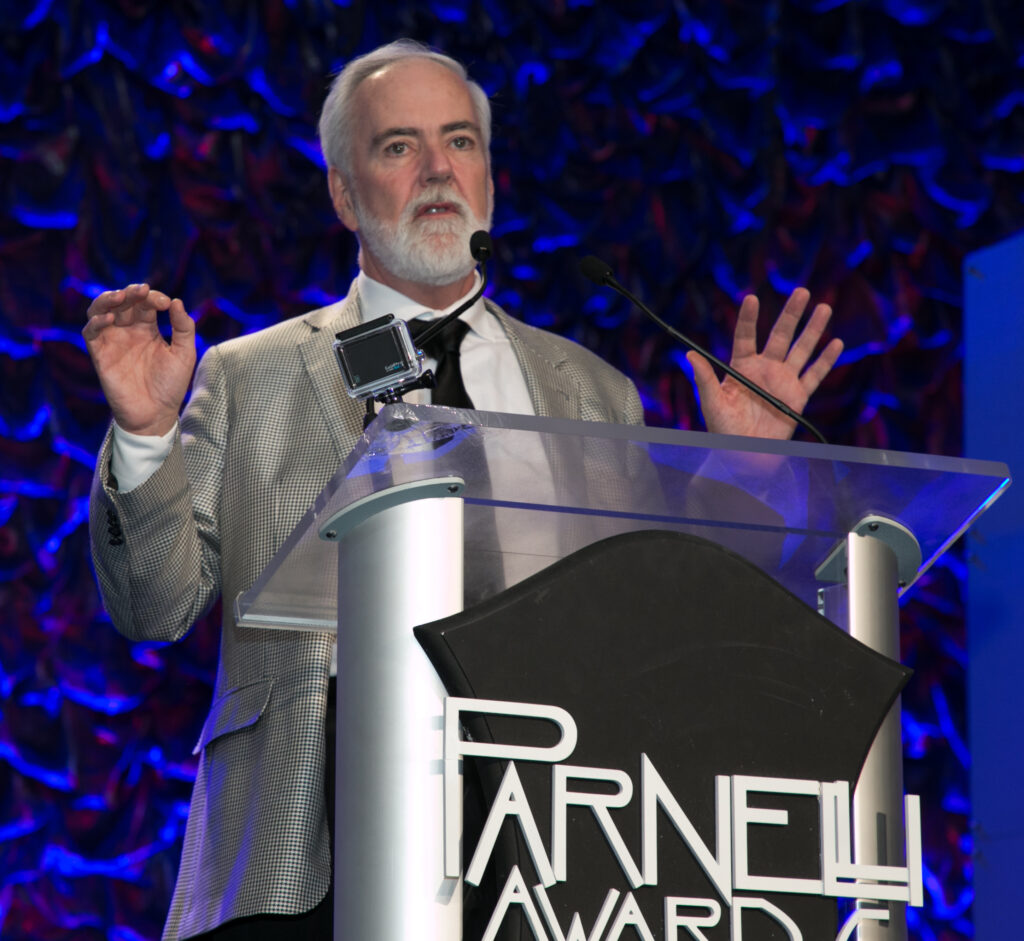
Since 2001, scores of our highest achievers and most admired innovators have been awarded the Parnelli. The award recognizes pioneering, influential professionals and their contributions, honoring both individuals and companies. It is truly the “Oscar®” of the Live Event Industry.

Terry Lowe.

About The Parnelli Awards

filedot lovely alazai jpg patched

Who Is Parnelli?

Recent News

Filedot Lovely Alazai Jpg Patched «Best • 2025»

def add_app2(jpeg_path, out_path, payload_bytes): # Read the original JPEG as raw bytes with open(jpeg_path, 'rb') as f: data = f.read()

Putting it together, “filedot lovely alazai jpg patched” most often describes (or “patched”) for a specific purpose. 2. Why would a JPEG be patched? | Reason | Description | Example tools / techniques | |--------|-------------|-----------------------------| | Corruption repair | JPEG files are made of many independent segments; a broken segment can be replaced with a correct one from a backup or a reconstructed version. | jpegtran -copy none -optimize , exiftool to rewrite headers. | | Metadata editing | Adding, removing, or correcting EXIF, XMP, or IPTC metadata (e.g., timestamps, GPS coordinates, camera settings). | exiftool -All= file.jpg , Adobe Lightroom, Exif Pilot. | | Steganography | Hiding data (text, other files, even executable code) inside the JPEG’s payload without affecting visual quality. | steghide , OpenStego , custom LSB (least‑significant‑bit) scripts. | | Malware embedding | Some attackers embed malicious code in a JPEG’s APP sections or as extra data after the End‑of‑Image (EOI) marker. The file still opens as an image, but a vulnerable viewer may execute the payload. | “JPEG‑Dropper” techniques, malicious email attachments. | | Watermarking / anti‑tamper | Embedding a cryptographic hash or digital signature to prove integrity or ownership. | jpencrypt , custom Python scripts using Pillow. | | Format conversion quirks | Converting from another format (e.g., PNG → JPEG) while preserving certain features may require manual tweaking of the JPEG header. | ImageMagick , ffmpeg . | 3. Technical basics of the JPEG format | Component | What it does | Typical size | Relevance to patching | |-----------|--------------|--------------|-----------------------| | SOI marker ( 0xFFD8 ) | Start of Image – tells a decoder where the file begins. | 2 bytes | Must stay untouched; moving it breaks the file. | | APPn markers ( 0xFFE0 ‑ 0xFFEF ) | Store optional data such as EXIF ( APP1 ), JFIF ( APP0 ), Adobe ( APP14 ). | Variable (often a few KB) | Common patch target for metadata or hidden data. | | DQT (Define Quantization Table) | Defines compression strength. | Variable | Changing it alters image quality and file size. | | SOF (Start of Frame) | Holds image dimensions, colour space, sampling factors. | Variable | Tweaking can corrupt the image if not done carefully. | | SOS (Start of Scan) | Begins the compressed image data stream. | Variable | The bulk of the file; most patching avoids editing raw compressed data because it would require re‑encoding. | | EOI marker ( 0xFFD9 ) | End of Image – marks file termination. | 2 bytes | Data placed after the EOI is ignored by most viewers but can be read by custom tools (used in steganography). | filedot lovely alazai jpg patched

# Build an APP2 marker: 0xFFE2 + length (2 bytes) + payload # Length includes the two length bytes themselves. length = len(payload_bytes) + 2 app2_marker = b'\xFF\xE2' + struct.pack('>H', length) + payload_bytes | Reason | Description | Example tools /

# Insert APP2 right after SOI (common placement) patched = data[:2] + app2_marker + data[2:] | exiftool -All= file

[APP2] LovelyAlazaiPatchV1 If you suspect a JPEG contains unwanted data after the EOI marker, you can strip everything beyond 0xFFD9 :

# Usage payload = b'LovelyAlazaiPatchV1' # any bytes you want to embed add_app2('lovely_alazai.jpg', 'lovely_alazai_patched.jpg', payload) # Show all APP markers; you should see the new APP2 entry exiftool -a -G1 -s lovely_alazai_patched.jpg The output will list something like:

Photos: 23rd Annual Parnelli Awards