









A knock sounded at the door, three soft taps like a code. He hesitated. Once, twice, then moved. The door opened to reveal a small girl, no more than ten, cheeks pink from the cold, clutching a cracked ornament wrapped in cloth.
Outside, the birches kept their brittle handwriting. The sleigh bells still dangled in the wind. The crack in the bauble glowed like a seam of gold when the sun hit it, a reminder that some things survive precisely because they broke open.
He remembered the first time he’d seen her on a stage in a city that smelled of coffee and diesel. She had been bare not of clothing but of pretense—the truth of a woman who moved like someone with nothing to hide and everything to lose. She called herself neither Russian nor French; she called herself a border, a place where maps fold. That was the kind of celebrity that makes people uncomfortable because it refuses to be catalogued.
Outside, sleigh bells began to ring for real—down the lane, two horses pulling a cart with a family wrapped in patched quilts. The noise was ordinary joy, a sound that tried to stitch the world back into meaning. Inside, the lamp flickered; the radio hissed dead, then rose again with a hymn that felt older than the house.
The dacha slept under a skin of new snow, each branch outlined in a brittle white like handwriting from another language. It was almost Christmas—Old New Year, the days people in the village still observed—and the air tasted of wood smoke and black tea. From the birch grove came a faint, metallic jingle: someone had left a sleigh bell hanging on a branch, or perhaps the wind had found one among the frost.
They called her the French celeb—more out of stubborn affection than fact. Years ago she’d come to town speaking lilting phrases and carrying herself like a postcard. She’d laughed loud and left louder, touring salons and small theatres, a comet that did not quite belong either in Paris or this place of white roads. People still whispered her name when they liked a story. They also whispered because a story needs the shadow of secrecy to keep its edges sharp.
A knock sounded at the door, three soft taps like a code. He hesitated. Once, twice, then moved. The door opened to reveal a small girl, no more than ten, cheeks pink from the cold, clutching a cracked ornament wrapped in cloth.
Outside, the birches kept their brittle handwriting. The sleigh bells still dangled in the wind. The crack in the bauble glowed like a seam of gold when the sun hit it, a reminder that some things survive precisely because they broke open.
He remembered the first time he’d seen her on a stage in a city that smelled of coffee and diesel. She had been bare not of clothing but of pretense—the truth of a woman who moved like someone with nothing to hide and everything to lose. She called herself neither Russian nor French; she called herself a border, a place where maps fold. That was the kind of celebrity that makes people uncomfortable because it refuses to be catalogued.
Outside, sleigh bells began to ring for real—down the lane, two horses pulling a cart with a family wrapped in patched quilts. The noise was ordinary joy, a sound that tried to stitch the world back into meaning. Inside, the lamp flickered; the radio hissed dead, then rose again with a hymn that felt older than the house.
The dacha slept under a skin of new snow, each branch outlined in a brittle white like handwriting from another language. It was almost Christmas—Old New Year, the days people in the village still observed—and the air tasted of wood smoke and black tea. From the birch grove came a faint, metallic jingle: someone had left a sleigh bell hanging on a branch, or perhaps the wind had found one among the frost.
They called her the French celeb—more out of stubborn affection than fact. Years ago she’d come to town speaking lilting phrases and carrying herself like a postcard. She’d laughed loud and left louder, touring salons and small theatres, a comet that did not quite belong either in Paris or this place of white roads. People still whispered her name when they liked a story. They also whispered because a story needs the shadow of secrecy to keep its edges sharp.
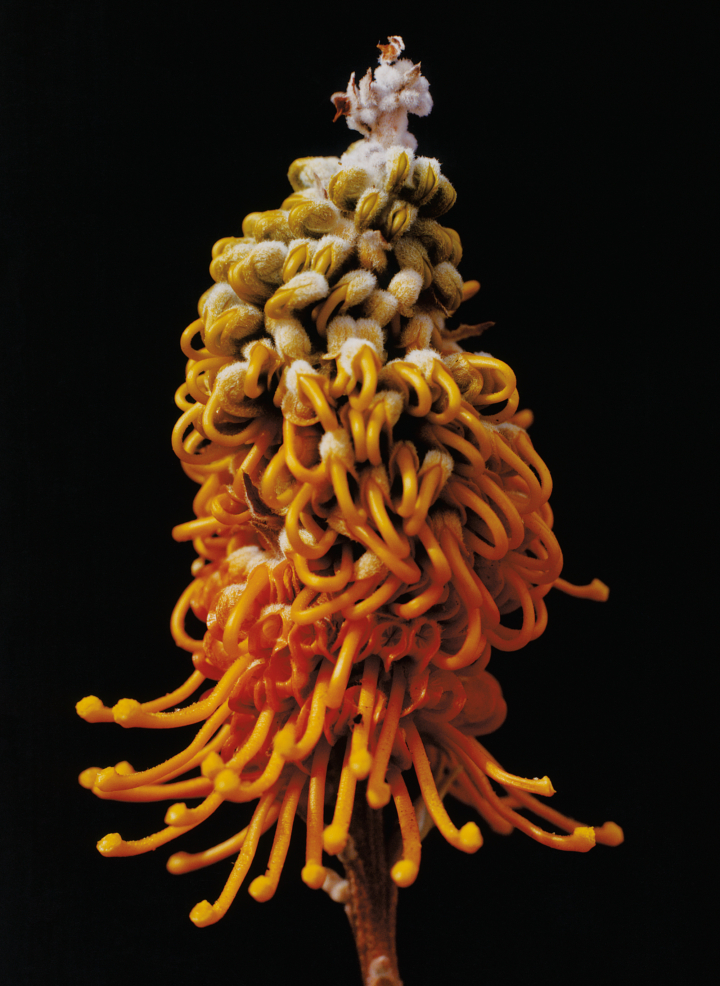
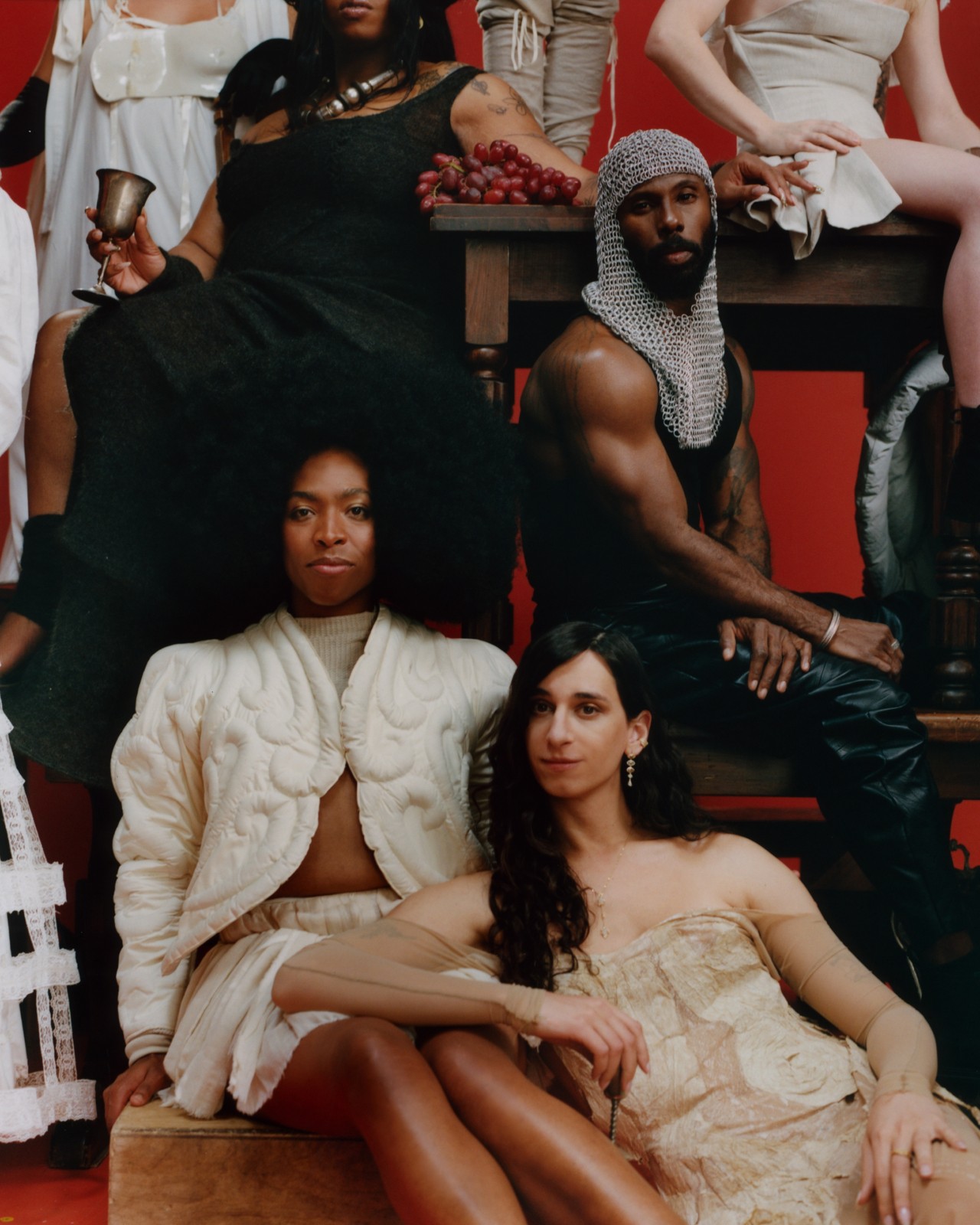
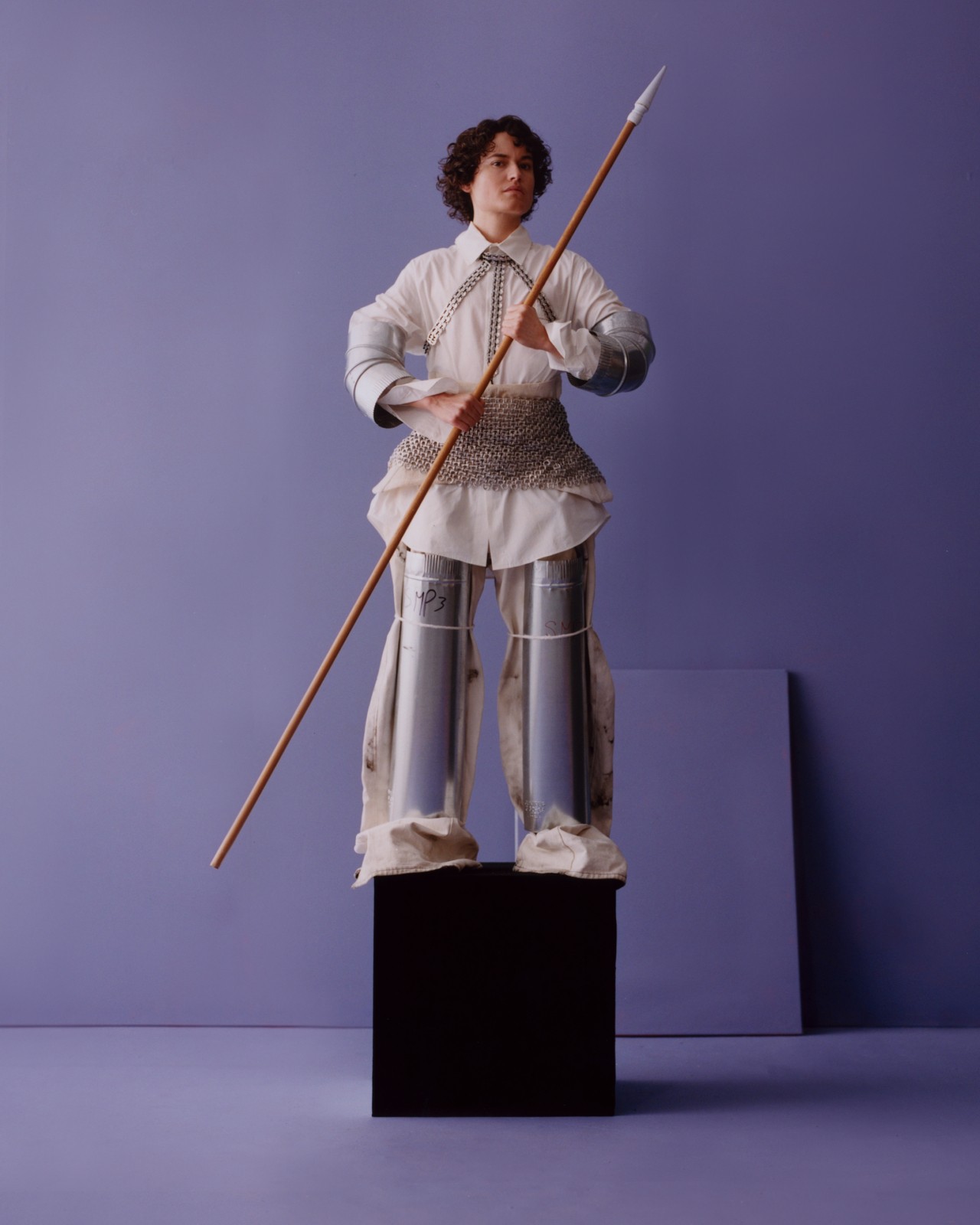
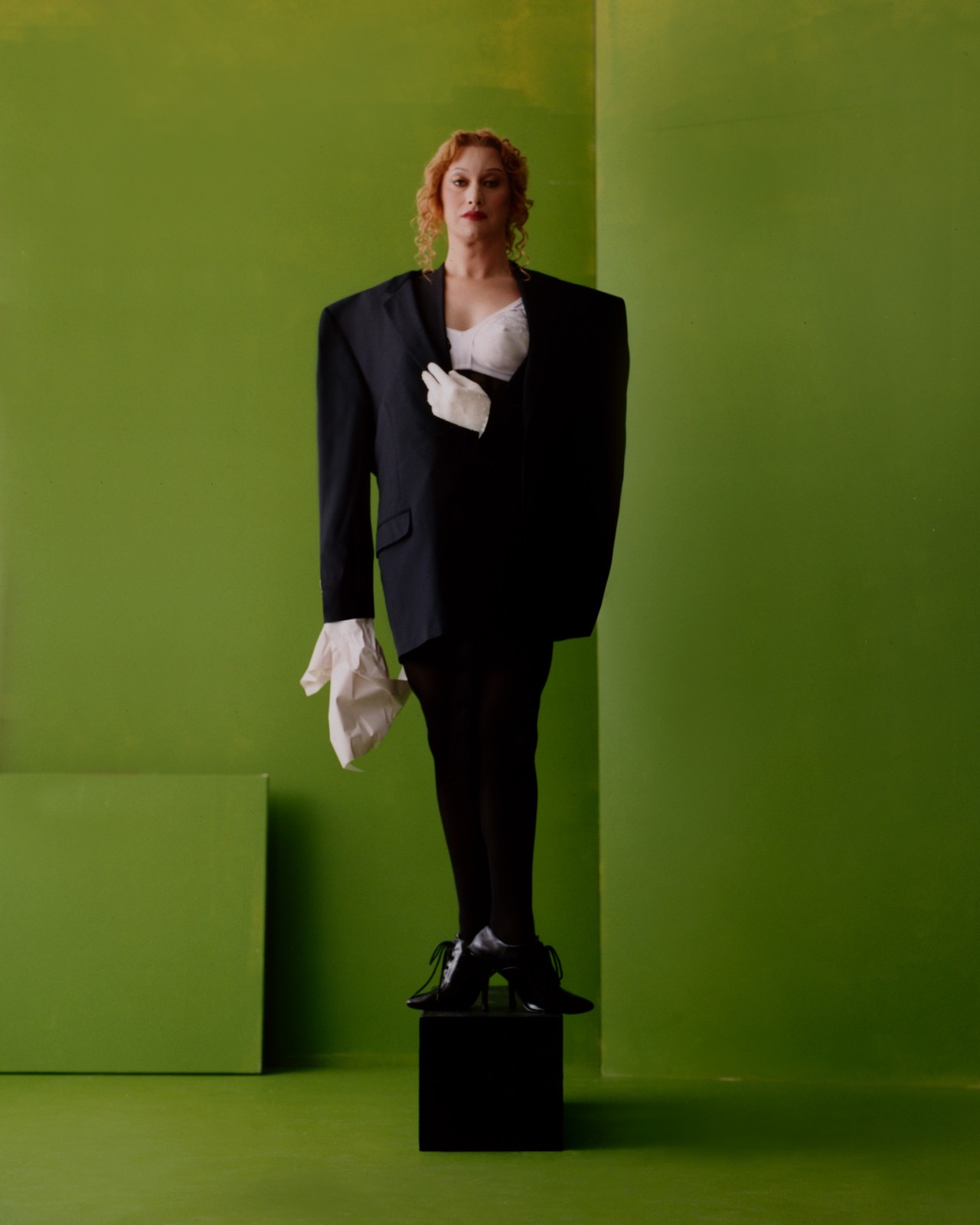
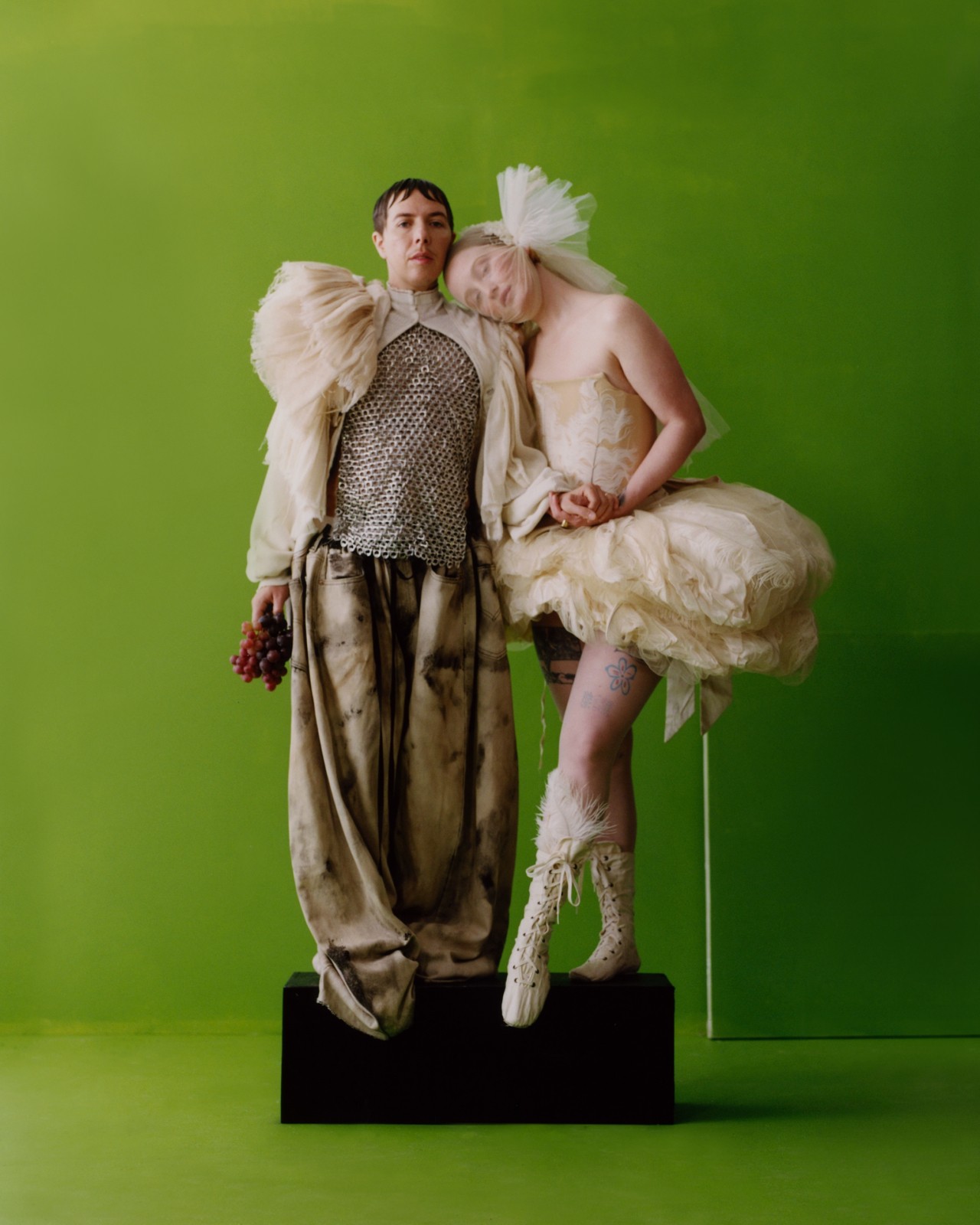
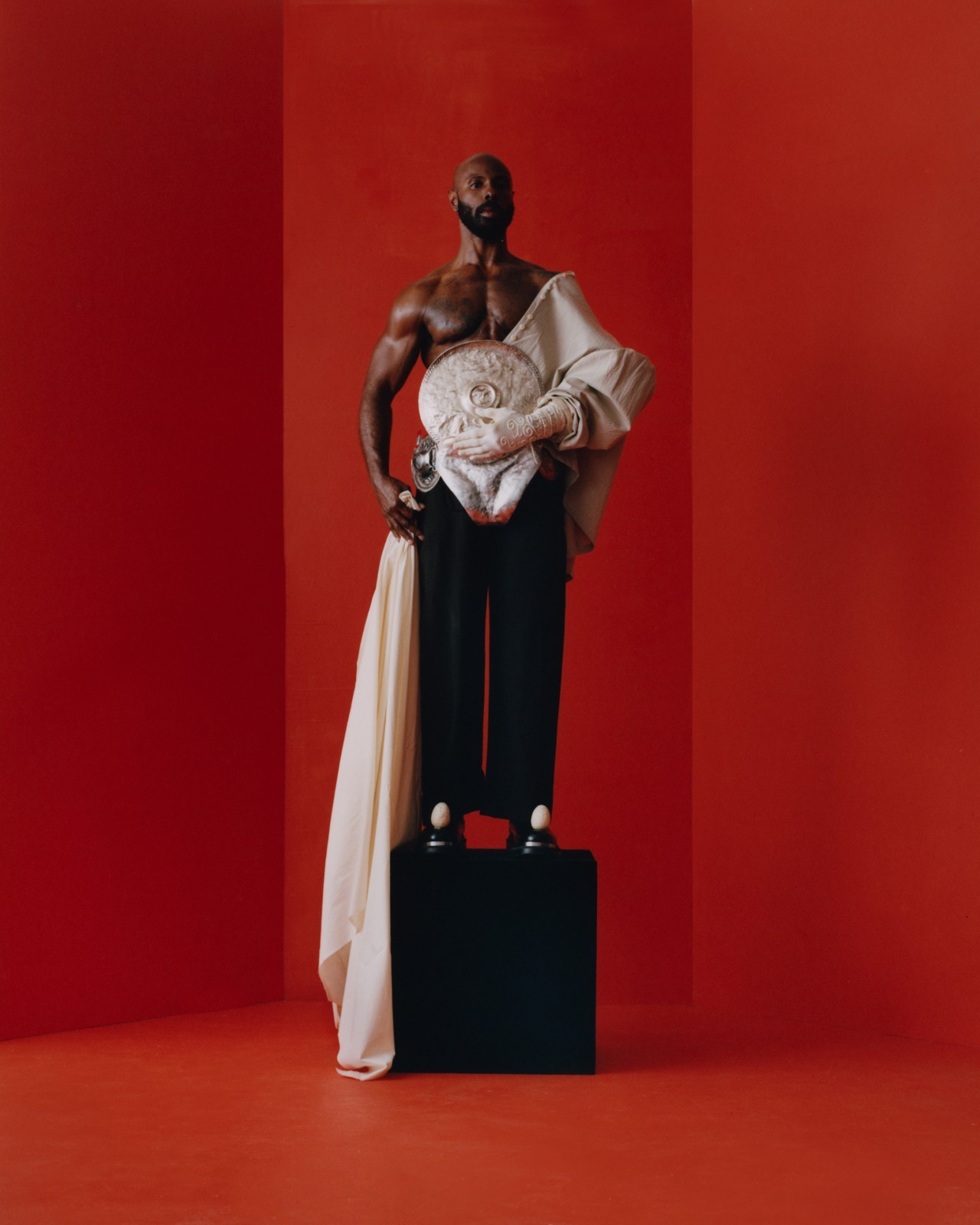
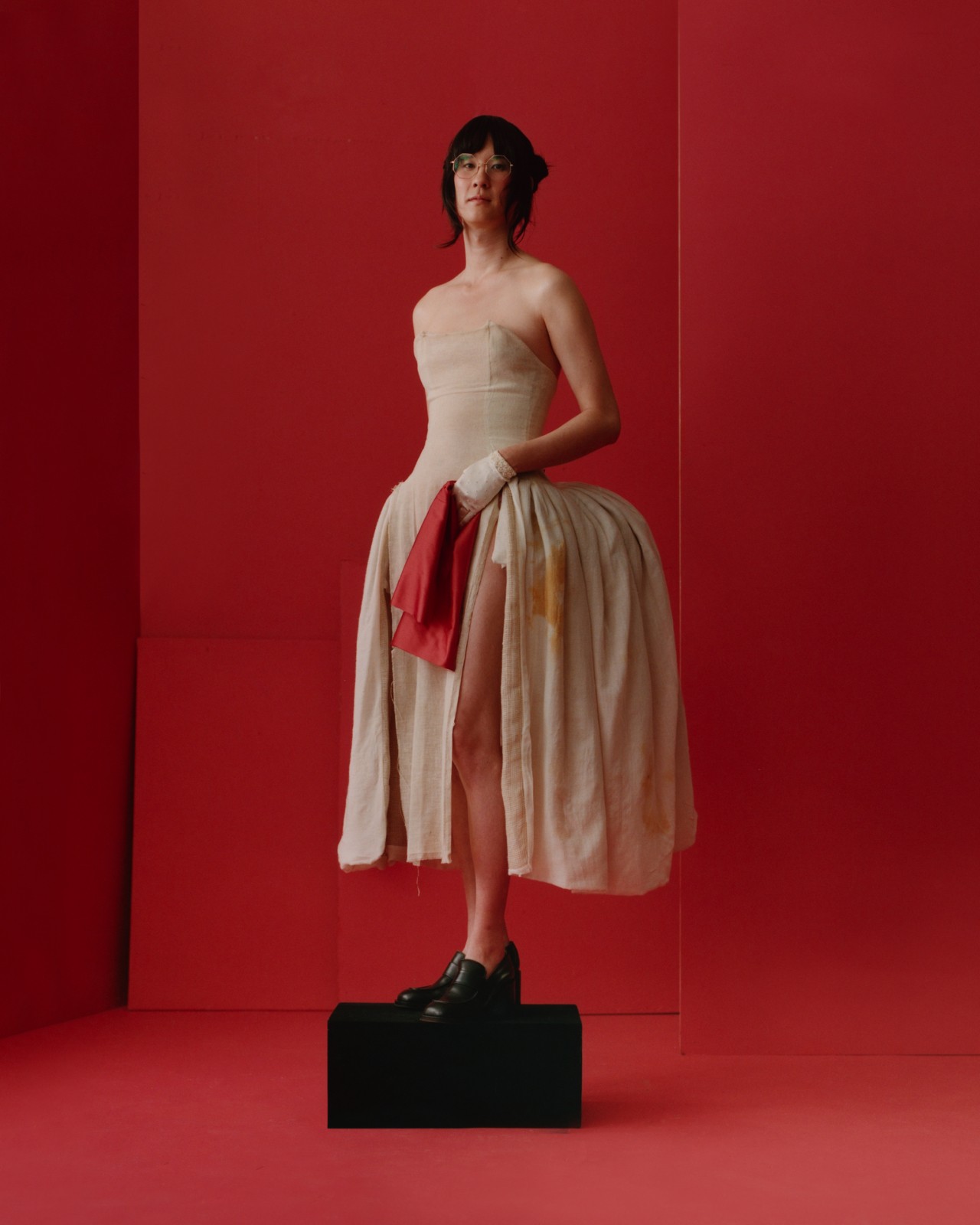
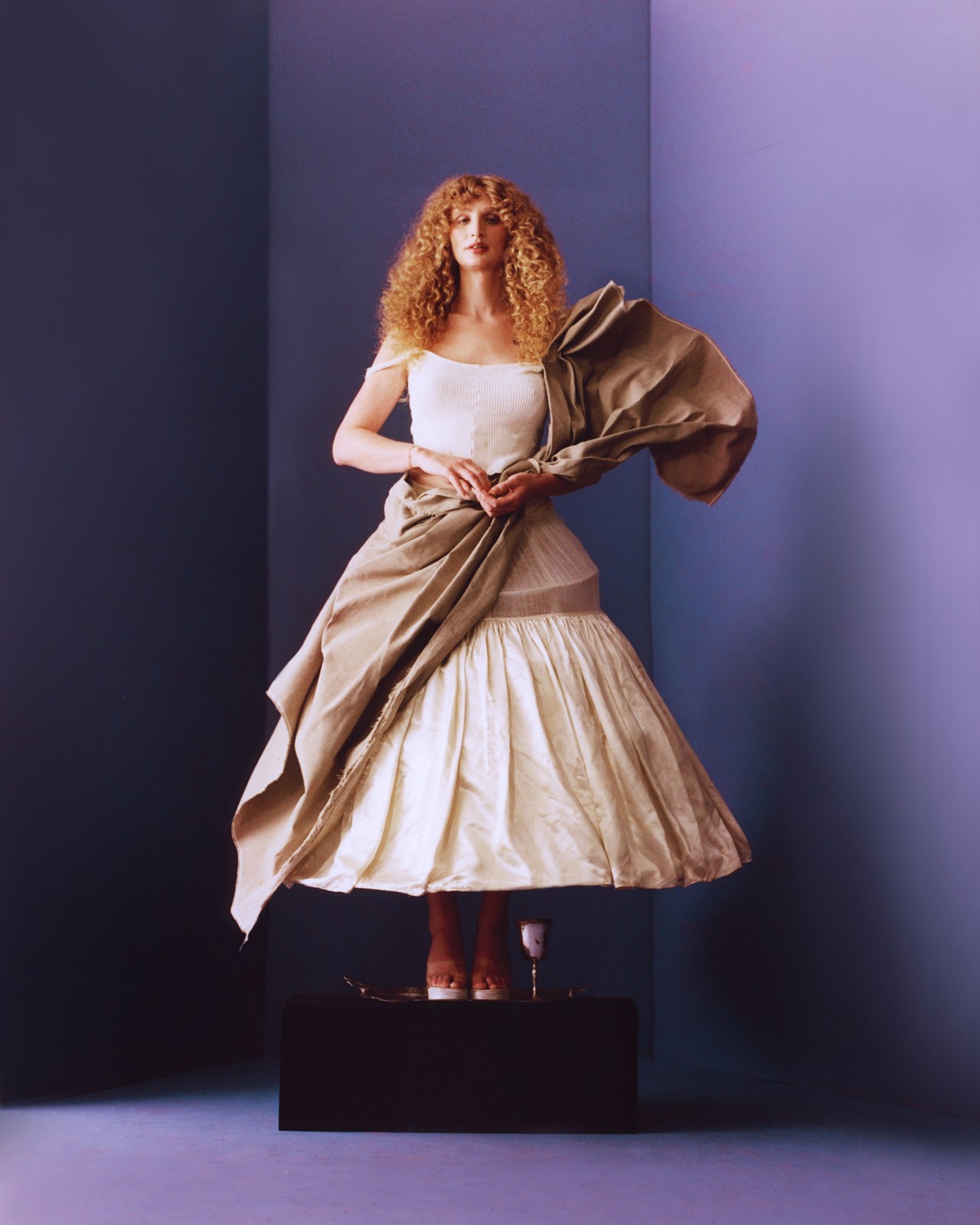
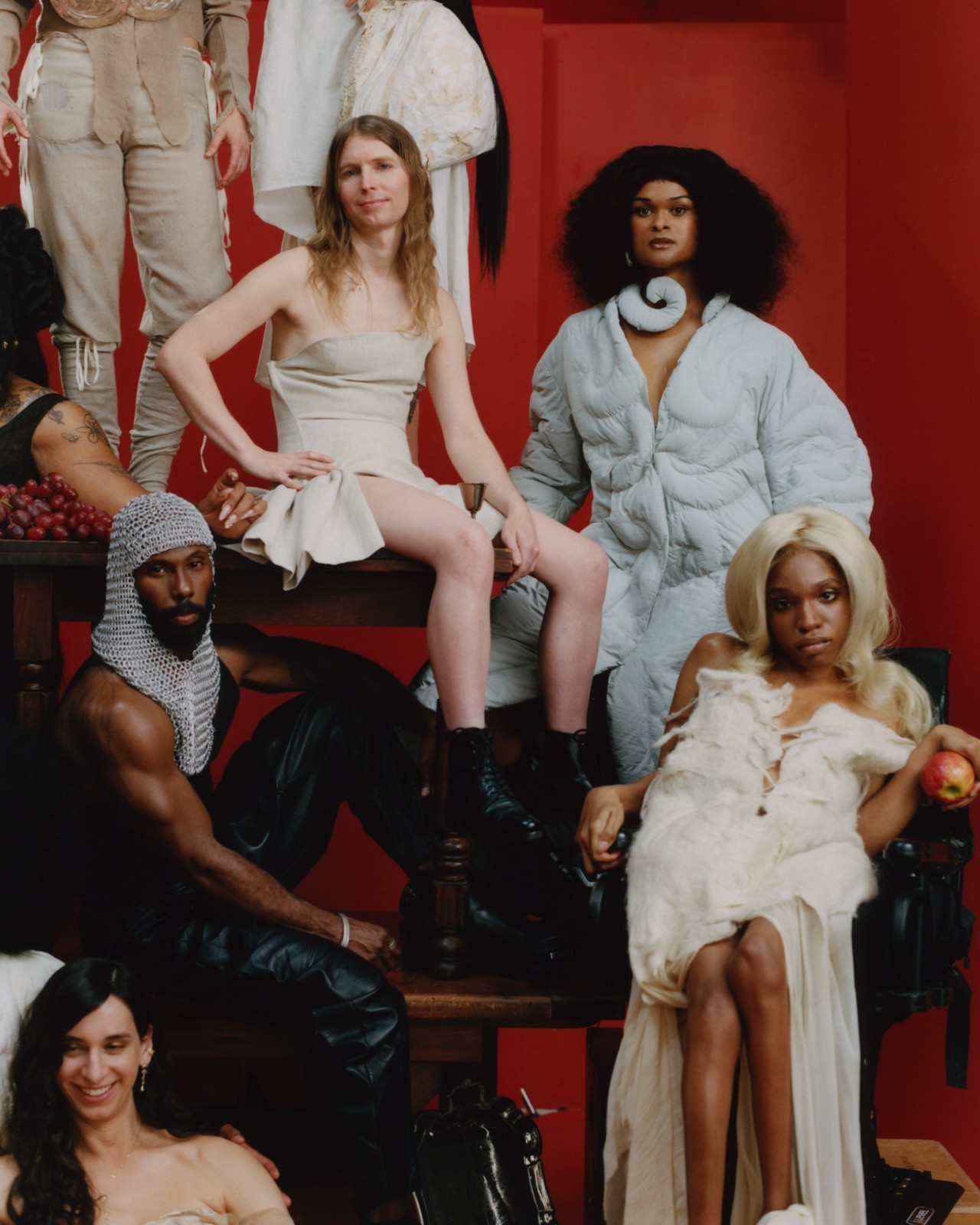
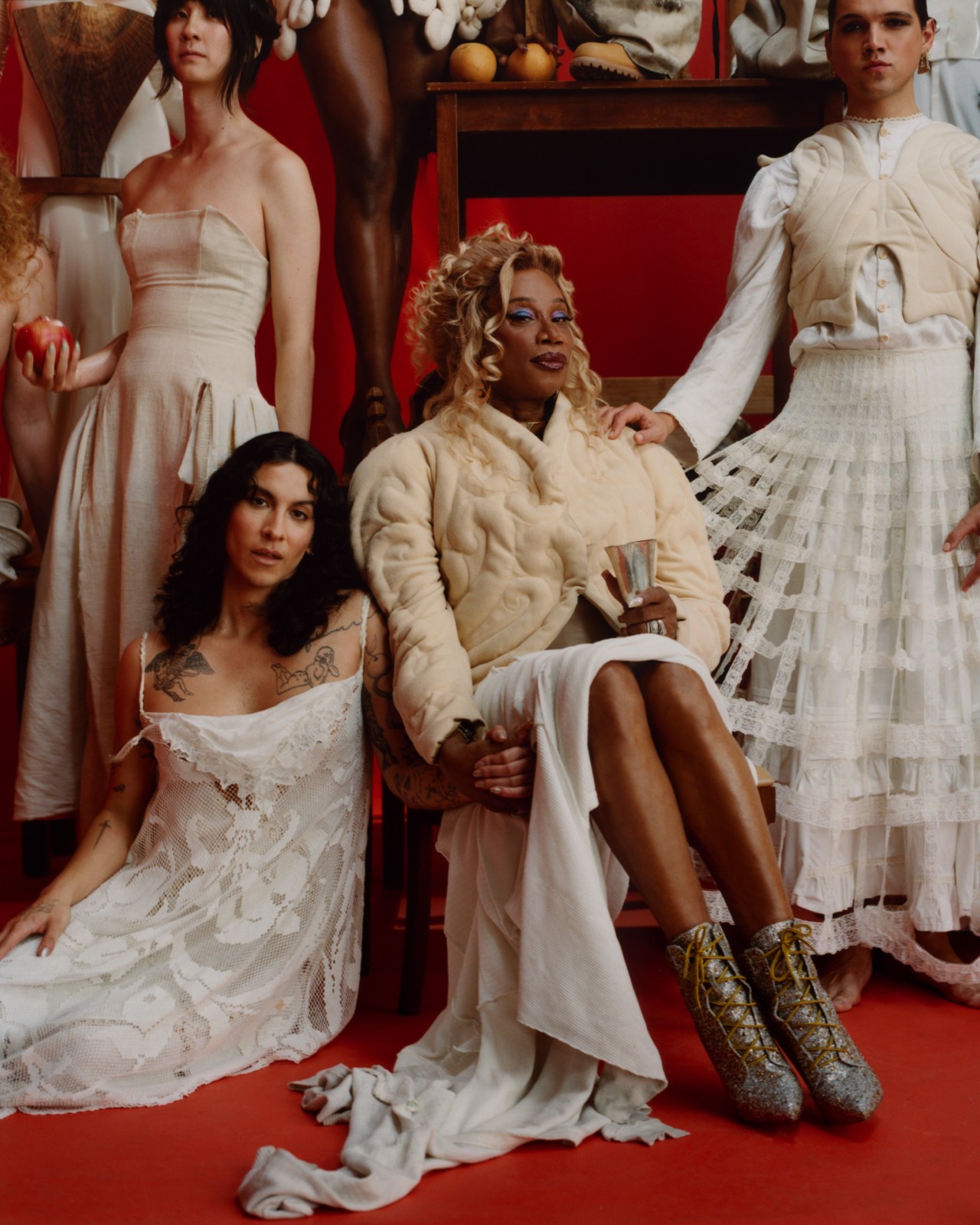
The Fruits We Bear: Portraits of Trans Liberation