He’s not a hero in the movie’s loud, cinematic sense. Nash is a patient cartographer of thought: stubborn, sharp, often painfully alone. His ideas arrive as quiet storms, sudden clarities that rearrange the room. When he speaks, his words are not declarations but excavations—each sentence peeling back layers of what others accept as given. Colleagues admire him at a distance; friends misunderstand him; love finds him unexpectedly in the precise geometry of a lecture hall and the unguarded tenderness of a hand reached across a dining table.
A Beautiful Mind — filma24
Hidden behind the static of late-night streaming, A Beautiful Mind flickers into view: a film about genius and the fragile border between insight and illusion. It opens with John Nash’s small, precise steps through the campus—his world a grid of chalked equations and half-formed dreams. The camera lingers on his concentration, on the way ideas bloom like constellations in his mind, rearranging ordinary moments into braided patterns only he can see.
The film does not romanticize brilliance. It charts the cost. Nash’s mind, fertile and voracious, invites its own betrayals: voices that insist on alternate meanings, patterns that devour reality’s softer textures. Hallucinations arrive like trespassers—insistent, plausible, intimate—blurring the script between trust and suspicion. They are cinematic tricks and, more hauntingly, invitations to doubt every frame. The audience learns to read the film like Nash reads equations: to look for structure beneath surface chaos, to see how conviction can masquerade as proof.
Cinematography captures thought as geometry—close-ups that turn facial lines into landscapes, light that etches equations into shadow. The score murmurs rather than declares, offering an aural counterpoint to the mind’s noisy architecture. Together, image and sound make the film a study in perception: how we construct reality, and how reality can be constructed for us.
Ultimately, A Beautiful Mind feels like a lesson in compassion. It asks us to honor intelligence without idolizing it, to recognize the thin line between insight and isolation, and to respect the human effort required to keep one’s bearings when the world rearranges itself daily. It does not promise neat resolutions; it offers instead a portrait of endurance—of a mind that learns, slowly and imperfectly, to live with its beautiful, dangerous interiorities.
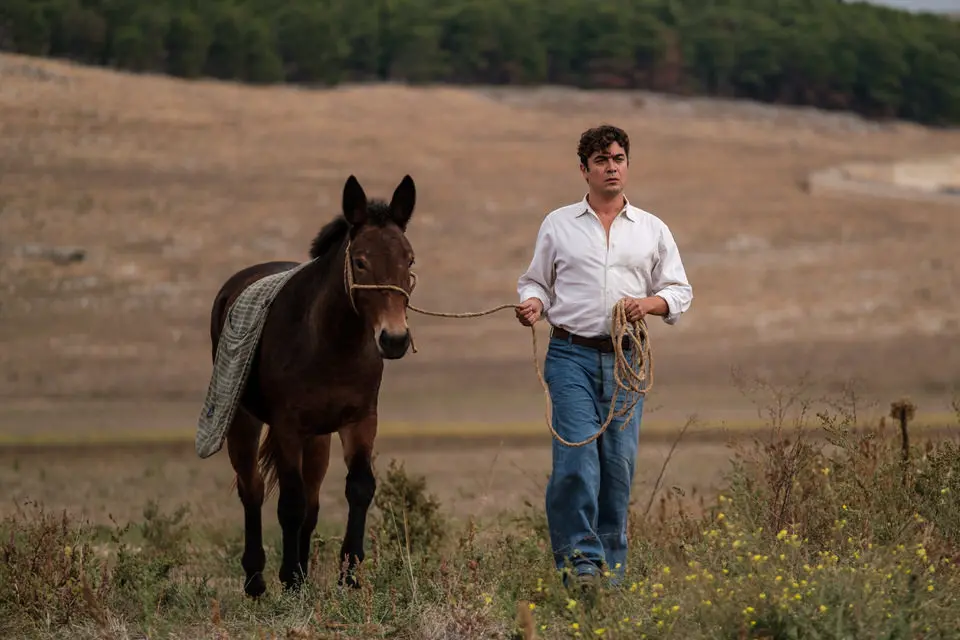
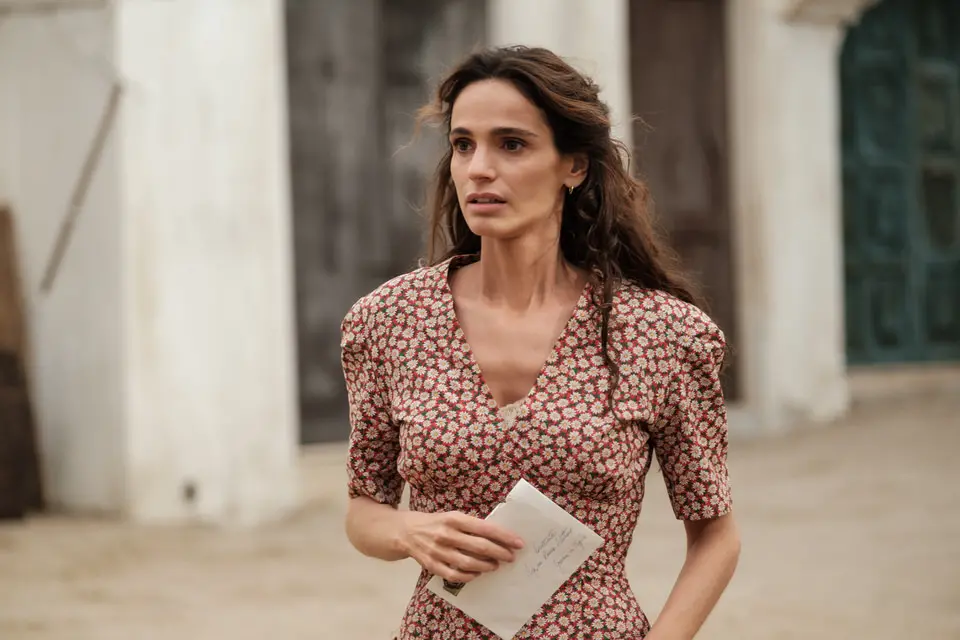
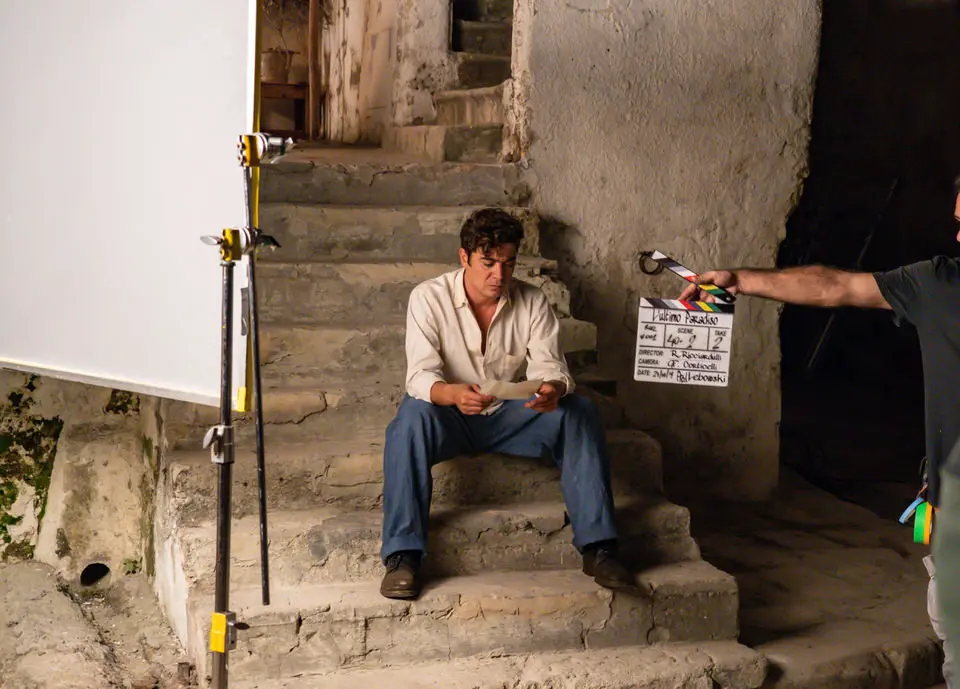
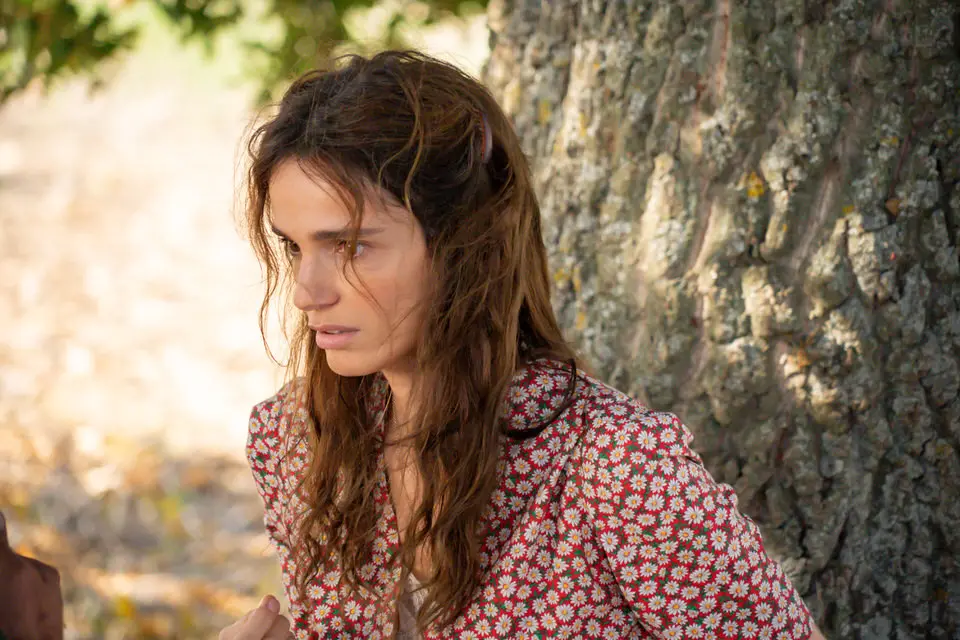
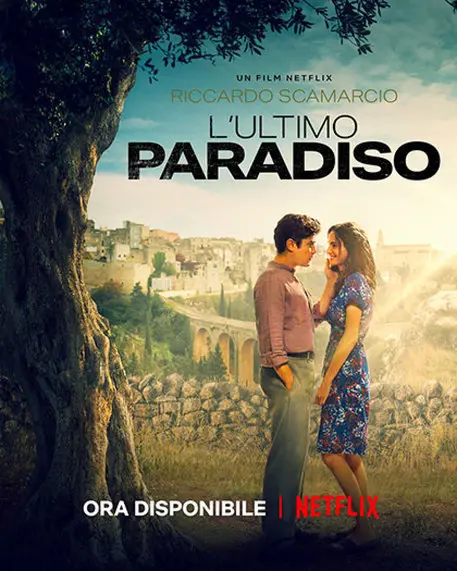
The director Rocco Ricciardulli, from Bernalda, shot his second film, L’ultimo Paradiso between October and December 2019, several dozen kilometres from his childhood home in the Murgia countryside on the border of the Apulia and Basilicata regions. The beautiful, albeit dry and arid landscape frames a story inspired by real-life events relating to the gangmaster scourge of Italy’s martyred lands. It is set in the late 1950’s, an era when certain ancestral practices of aristocratic landowners, archaic professions and a rigid division of work, owners and farmhands, oppressors and oppressed still exist and the economic boom is still far away, in time and space.
The borgo of Gravina in Puglia, where time seems to stand still, is perched at a height of 400m on a limestone deposit part of the fossa bradanica in the heart of the Parco nazionale dell’Alta Murgia. The film immortalizes the town’s alleyways, ancient residences and evocative aqueduct bridging the Gravina river. The surrounding wild nature, including olive trees, Mediterranean maquis and hectares of farm land, provides the typical colours and light of these latitudes. Just outside the residential centre, on the slopes of the Botromagno hill, which gives its name to the largest archaeological area in Apulia, is the Parco naturalistico di Capotenda, whose nature is so pristine and untouched that it provided a perfect natural backdrop for a late 1950s setting.
The alternative to oppression is departure: a choice made by Antonio whom we first meet in Trieste at the foot of the fountain of the Four Continents whose Baroque appearance decorates the majestic piazza Unità d’Italia.
The director Rocco Ricciardulli, from Bernalda, shot his second film, L’ultimo Paradiso between October and December 2019, several dozen kilometres from his childhood home in the Murgia countryside on the border of the Apulia and Basilicata regions. The beautiful, albeit dry and arid landscape frames a story inspired by real-life events relating to the gangmaster scourge of Italy’s martyred lands. It is set in the late 1950’s, an era when certain ancestral practices of aristocratic landowners, archaic professions and a rigid division of work, owners and farmhands, oppressors and oppressed still exist and the economic boom is still far away, in time and space.
The borgo of Gravina in Puglia, where time seems to stand still, is perched at a height of 400m on a limestone deposit part of the fossa bradanica in the heart of the Parco nazionale dell’Alta Murgia. The film immortalizes the town’s alleyways, ancient residences and evocative aqueduct bridging the Gravina river. The surrounding wild nature, including olive trees, Mediterranean maquis and hectares of farm land, provides the typical colours and light of these latitudes. Just outside the residential centre, on the slopes of the Botromagno hill, which gives its name to the largest archaeological area in Apulia, is the Parco naturalistico di Capotenda, whose nature is so pristine and untouched that it provided a perfect natural backdrop for a late 1950s setting.
The alternative to oppression is departure: a choice made by Antonio whom we first meet in Trieste at the foot of the fountain of the Four Continents whose Baroque appearance decorates the majestic piazza Unità d’Italia.
Lebowski, Silver Productions
In 1958, Ciccio, a farmer in his forties married to Lucia and the father of a son of 7, is fighting with his fellow workers against those who exploit their work, while secretly in love with Bianca, the daughter of Cumpà Schettino, a feared and untrustworthy landowner.
He’s not a hero in the movie’s loud, cinematic sense. Nash is a patient cartographer of thought: stubborn, sharp, often painfully alone. His ideas arrive as quiet storms, sudden clarities that rearrange the room. When he speaks, his words are not declarations but excavations—each sentence peeling back layers of what others accept as given. Colleagues admire him at a distance; friends misunderstand him; love finds him unexpectedly in the precise geometry of a lecture hall and the unguarded tenderness of a hand reached across a dining table.
A Beautiful Mind — filma24
Hidden behind the static of late-night streaming, A Beautiful Mind flickers into view: a film about genius and the fragile border between insight and illusion. It opens with John Nash’s small, precise steps through the campus—his world a grid of chalked equations and half-formed dreams. The camera lingers on his concentration, on the way ideas bloom like constellations in his mind, rearranging ordinary moments into braided patterns only he can see.
The film does not romanticize brilliance. It charts the cost. Nash’s mind, fertile and voracious, invites its own betrayals: voices that insist on alternate meanings, patterns that devour reality’s softer textures. Hallucinations arrive like trespassers—insistent, plausible, intimate—blurring the script between trust and suspicion. They are cinematic tricks and, more hauntingly, invitations to doubt every frame. The audience learns to read the film like Nash reads equations: to look for structure beneath surface chaos, to see how conviction can masquerade as proof.
Cinematography captures thought as geometry—close-ups that turn facial lines into landscapes, light that etches equations into shadow. The score murmurs rather than declares, offering an aural counterpoint to the mind’s noisy architecture. Together, image and sound make the film a study in perception: how we construct reality, and how reality can be constructed for us.
Ultimately, A Beautiful Mind feels like a lesson in compassion. It asks us to honor intelligence without idolizing it, to recognize the thin line between insight and isolation, and to respect the human effort required to keep one’s bearings when the world rearranges itself daily. It does not promise neat resolutions; it offers instead a portrait of endurance—of a mind that learns, slowly and imperfectly, to live with its beautiful, dangerous interiorities.