|
PJRC Store
|
 Teensy 3.1, $19.80
Teensy 2.0, $16.00
Teensy++ 2.0, $24.00
USB Cable, $4.00
|
|
|
Teensy
|
Main Page
Teensy 3.1
 Getting Started
How-To Tips
Code Library
Projects
 Teensyduino
300mb Marathi Movies Upd -
Marathi cinema, known for its realistic storytelling and strong cultural roots, benefits from this format. Classics like "Shwaas" (2004) or modern hits like "Sairat" (2016) reach wider audiences faster, fostering regional pride. For students or professionals with busy schedules, 300MB files allow seamless movie-watching on-the-go, eliminating the need for streaming platforms that may require subscriptions or Wi-Fi. However, the proliferation of 300MB Marathi movies raises critical concerns. Many of these files are pirated, distributed through unauthorized websites or torrent sites. The film industry thrives on legitimate revenue from box office collections, digital platforms, and home video sales. When content is leaked or illegally shared, it directly impacts creators' earnings, including actors, directors, and technicians who rely on these revenues for livelihoods.
The digital era has revolutionized how people access entertainment, with cinema at its forefront. Among regional film industries, Marathi cinema—India’s second-largest by historical output—has seen a surge in popularity, both within Maharashtra and beyond. With the rise of compressed, high-quality files, many audiences now seek (often abbreviated as "300mb marathi movies upd" or "updated daily") to stream or store content conveniently. This essay explores the phenomenon of 300MB Marathi movie files, their appeal, and the ethical implications of their distribution. The Appeal of 300MB Files The demand for 300MB Marathi movies stems from practicality in a tech-savvy world. Unlike full-sized films (often 1–2GB or larger), compressed 300MB files require minimal storage space and bandwidth, making them ideal for smartphone users. For viewers in regions with limited internet connectivity or slower data speeds, such files ensure quick downloads and smooth playback. Additionally, these compressed versions often retain decent quality, balancing size and visual clarity through efficient encoding. This accessibility democratizes movie-watching for millions, particularly in rural India where internet infrastructure remains uneven. 300mb marathi movies upd
Piracy also stifles innovation. With dwindling income from stolen content, producers may cut budgets for future projects, affecting the quality and diversity of Marathi cinema. Furthermore, unverified sources hosting these files often bundle them with malware threats, risking users’ data privacy. The technology enabling 300MB compression is a double-edged sword. Advanced codecs like x264 and x265 allow high-quality, compact files, but they also facilitate unauthorized redistribution. While tools like YouTube or JioCinema legally offer Marathi movies in compressed formats, many opt for illicit means due to cost or convenience. Marathi cinema, known for its realistic storytelling and
Next, I should consider the context. The user wants an essay, so it needs to be structured with an introduction, perhaps discussing the popularity of Marathi cinema, the convenience of small file sizes, and the implications of accessing such content. I need to mention the benefits like portability and accessibility, but also the legal issues involved in distributing pirated content. It's important to be neutral but informed, highlighting both the advantages and the drawbacks. However, the proliferation of 300MB Marathi movies raises
I should start by introducing the growth of Marathi cinema and how digital access has changed how people watch movies. Then, move into the specifics of 300MB files, their appeal, and the platforms that offer them. Address the technical aspects, like file compression, without delving too much into technicalities. Then, transition into the legal and ethical concerns, mentioning copyright laws and the impact on the film industry. Finally, suggest legal alternatives and the importance of supporting creators. Conclude by summarizing the key points and emphasizing responsible consumption.
Consumers must weigh personal benefit against broader ethical impacts. Supporting legitimate platforms—such as Netflix, SonyLIV, or local OTT services—earns filmmakers deserving royalties and sustains the ecosystem. Moreover, public awareness campaigns could emphasize that pirated content violates India’s Copyright Act, punishable by legal penalties. The trend of 300MB Marathi movie files underscores both the digital age’s opportunities and its pitfalls. While they provide unmatched convenience, their illicit distribution threatens the survival of regional film industries. Marathi cinema, with its rich narratives and cultural relevance, deserves a thriving ecosystem. By choosing legal avenues and respecting creators’ rights, viewers can ensure that the industry grows while remaining accessible to all. The future of regional cinema hinges on balancing technological innovation with ethical responsibility—a challenge worth addressing with care and foresight. This essay highlights the duality of the digital entertainment landscape, urging a responsible approach to content consumption.
I need to make sure the essay is well-structured, flows logically, and covers all necessary aspects. Avoid using overly technical terms to keep it accessible. Also, check for any potential misinformation, especially around legal issues. Make sure to clarify that pirated content is illegal and discuss the consequences. Maybe include statistics or examples if possible, but if I don't have specific data, keep it general. Use formal language appropriate for an essay but remain clear and concise.
|
|
|
|
300mb Marathi Movies Upd -
This library
supports the Small OLED displays sold by Adafruit Industries.
Download: Adafruit_SSD1306.zip
Hardware Requirements
Adafruit sells these OLED displays in I2C and SPI interface.
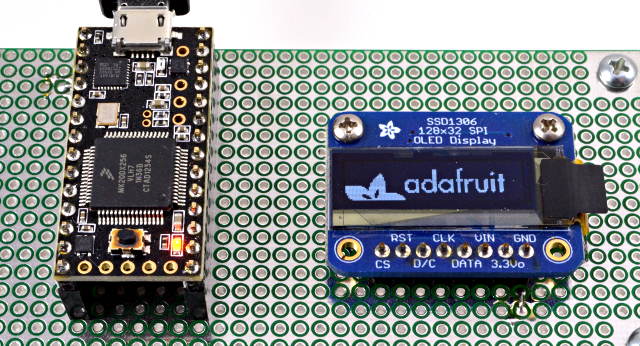
Adafruit 128x32 SPI OLED with Teensy 3.1
|
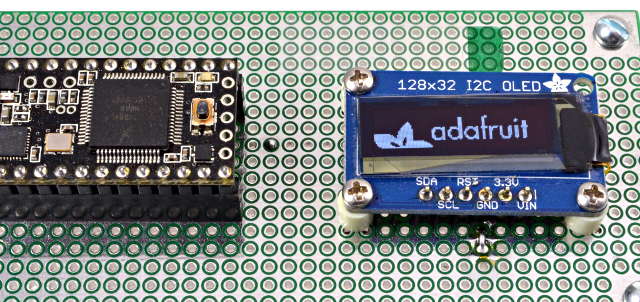
Adafruit 128x32 I2C OLED with Teensy 3.0
|
See below for the reverse-side wiring.
32 vs 64 Pixel Height
You may need to edit Adafruit_SSD1306.h to set the display height.
Look for this code and uncomment either 64 or 32 pixel height.
/*=========================================================================
    SSD1306 Displays
    -----------------------------------------------------------------------
    The driver is used in multiple displays (128x64, 128x32, etc.).
    Select the appropriate display below to create an appropriately
    sized framebuffer, etc.

    SSD1306_128_64  128x64 pixel display

    SSD1306_128_32  128x32 pixel display

    -----------------------------------------------------------------------*/
//   #define SSD1306_128_64
   #define SSD1306_128_32
/*=========================================================================*/
Example Program
This example program comes with the library. You can open it from the
File -> Examples -> Adafruit_SSD1306 -> ssd1306_128x32_spi menu.
/*********************************************************************
This is an example for our Monochrome OLEDs based on SSD1306 drivers

  Pick one up today in the adafruit shop!
  ------> http://www.adafruit.com/category/63_98

This example is for a 128x32 size display using SPI to communicate
4 or 5 pins are required to interface

Adafruit invests time and resources providing this open source code,
please support Adafruit and open-source hardware by purchasing
products from Adafruit!

Written by Limor Fried/Ladyada  for Adafruit Industries.
BSD license, check license.txt for more information
All text above, and the splash screen must be included in any redistribution
*********************************************************************/

#include <SPI.h>
#include <Wire.h>
#include <Adafruit_GFX.h>
#include <Adafruit_SSD1306.h>

// If using software SPI (the default case):
#define OLED_MOSI   9
#define OLED_CLK   10
#define OLED_DC    11
#define OLED_CS    12
#define OLED_RESET 13
Adafruit_SSD1306 display(OLED_MOSI, OLED_CLK, OLED_DC, OLED_RESET, OLED_CS);

/* Uncomment this block to use hardware SPI
#define OLED_DC     6
#define OLED_CS     7
#define OLED_RESET  8
Adafruit_SSD1306 display(OLED_DC, OLED_RESET, OLED_CS);
*/

#define NUMFLAKES 10
#define XPOS 0
#define YPOS 1
#define DELTAY 2

#define LOGO16_GLCD_HEIGHT 16
#define LOGO16_GLCD_WIDTH  16
static const unsigned char PROGMEM logo16_glcd_bmp[] =
{ B00000000, B11000000,
  B00000001, B11000000,
  B00000001, B11000000,
  B00000011, B11100000,
  B11110011, B11100000,
  B11111110, B11111000,
  B01111110, B11111111,
  B00110011, B10011111,
  B00011111, B11111100,
  B00001101, B01110000,
  B00011011, B10100000,
  B00111111, B11100000,
  B00111111, B11110000,
  B01111100, B11110000,
  B01110000, B01110000,
  B00000000, B00110000 };

#if (SSD1306_LCDHEIGHT != 32)
#error("Height incorrect, please fix Adafruit_SSD1306.h!");
#endif

void setup()   {
  Serial.begin(9600);

  // by default, we'll generate the high voltage from the 3.3v line internally! (neat!)
  display.begin(SSD1306_SWITCHCAPVCC);
  // init done

  display.display(); // show splashscreen
  delay(2000);
  display.clearDisplay();   // clears the screen and buffer

  // draw a single pixel
  display.drawPixel(10, 10, WHITE);
  display.display();
  delay(2000);
  display.clearDisplay();

  // draw many lines
  testdrawline();
  display.display();
  delay(2000);
  display.clearDisplay();

  // draw rectangles
  testdrawrect();
  display.display();
  delay(2000);
  display.clearDisplay();

  // draw multiple rectangles
  testfillrect();
  display.display();
  delay(2000);
  display.clearDisplay();

  // draw mulitple circles
  testdrawcircle();
  display.display();
  delay(2000);
  display.clearDisplay();

  // draw a white circle, 10 pixel radius
  display.fillCircle(display.width()/2, display.height()/2, 10, WHITE);
  display.display();
  delay(2000);
  display.clearDisplay();

  testdrawroundrect();
  delay(2000);
  display.clearDisplay();

  testfillroundrect();
  delay(2000);
  display.clearDisplay();

  testdrawtriangle();
  delay(2000);
  display.clearDisplay();

  testfilltriangle();
  delay(2000);
  display.clearDisplay();

  // draw the first ~12 characters in the font
  testdrawchar();
  display.display();
  delay(2000);
  display.clearDisplay();

  // draw scrolling text
  testscrolltext();
  delay(2000);
  display.clearDisplay();

  // text display tests
  display.setTextSize(1);
  display.setTextColor(WHITE);
  display.setCursor(0,0);
  display.println("Hello, world!");
  display.setTextColor(BLACK, WHITE); // 'inverted' text
  display.println(3.141592);
  display.setTextSize(2);
  display.setTextColor(WHITE);
  display.print("0x"); display.println(0xDEADBEEF, HEX);
  display.display();
  delay(2000);

  // miniature bitmap display
  display.clearDisplay();
  display.drawBitmap(30, 16,  logo16_glcd_bmp, 16, 16, 1);
  display.display();

  // invert the display
  display.invertDisplay(true);
  delay(1000);
  display.invertDisplay(false);
  delay(1000);

  // draw a bitmap icon and 'animate' movement
  testdrawbitmap(logo16_glcd_bmp, LOGO16_GLCD_HEIGHT, LOGO16_GLCD_WIDTH);
}


void loop() {

}


void testdrawbitmap(const uint8_t *bitmap, uint8_t w, uint8_t h) {
  uint8_t icons[NUMFLAKES][3];

  // initialize
  for (uint8_t f=0; f< NUMFLAKES; f++) {
    icons[f][XPOS] = random(display.width());
    icons[f][YPOS] = 0;
    icons[f][DELTAY] = random(5) + 1;

    Serial.print("x: ");
    Serial.print(icons[f][XPOS], DEC);
    Serial.print(" y: ");
    Serial.print(icons[f][YPOS], DEC);
    Serial.print(" dy: ");
    Serial.println(icons[f][DELTAY], DEC);
  }

  while (1) {
    // draw each icon
    for (uint8_t f=0; f< NUMFLAKES; f++) {
      display.drawBitmap(icons[f][XPOS], icons[f][YPOS], logo16_glcd_bmp, w, h, WHITE);
    }
    display.display();
    delay(200);

    // then erase it + move it
    for (uint8_t f=0; f< NUMFLAKES; f++) {
      display.drawBitmap(icons[f][XPOS], icons[f][YPOS],  logo16_glcd_bmp, w, h, BLACK);
      // move it
      icons[f][YPOS] += icons[f][DELTAY];
      // if its gone, reinit
      if (icons[f][YPOS] > display.height()) {
	icons[f][XPOS] = random(display.width());
	icons[f][YPOS] = 0;
	icons[f][DELTAY] = random(5) + 1;
      }
    }
   }
}


void testdrawchar(void) {
  display.setTextSize(1);
  display.setTextColor(WHITE);
  display.setCursor(0,0);

  for (uint8_t i=0; i < 168; i++) {
    if (i == '\n') continue;
    display.write(i);
    if ((i > 0) && (i % 21 == 0))
      display.println();
  }
  display.display();
}

void testdrawcircle(void) {
  for (int16_t i=0; i<display.height(); i+=2) {
    display.drawCircle(display.width()/2, display.height()/2, i, WHITE);
    display.display();
  }
}

void testfillrect(void) {
  uint8_t color = 1;
  for (int16_t i=0; i<display.height()/2; i+=3) {
    // alternate colors
    display.fillRect(i, i, display.width()-i*2, display.height()-i*2, color%2);
    display.display();
    color++;
  }
}

void testdrawtriangle(void) {
  for (int16_t i=0; i<min(display.width(),display.height())/2; i+=5) {
    display.drawTriangle(display.width()/2, display.height()/2-i,
                     display.width()/2-i, display.height()/2+i,
                     display.width()/2+i, display.height()/2+i, WHITE);
    display.display();
  }
}

void testfilltriangle(void) {
  uint8_t color = WHITE;
  for (int16_t i=min(display.width(),display.height())/2; i>0; i-=5) {
    display.fillTriangle(display.width()/2, display.height()/2-i,
                     display.width()/2-i, display.height()/2+i,
                     display.width()/2+i, display.height()/2+i, WHITE);
    if (color == WHITE) color = BLACK;
    else color = WHITE;
    display.display();
  }
}

void testdrawroundrect(void) {
  for (int16_t i=0; i<display.height()/2-2; i+=2) {
    display.drawRoundRect(i, i, display.width()-2*i, display.height()-2*i, display.height()/4, WHITE);
    display.display();
  }
}

void testfillroundrect(void) {
  uint8_t color = WHITE;
  for (int16_t i=0; i<display.height()/2-2; i+=2) {
    display.fillRoundRect(i, i, display.width()-2*i, display.height()-2*i, display.height()/4, color);
    if (color == WHITE) color = BLACK;
    else color = WHITE;
    display.display();
  }
}

void testdrawrect(void) {
  for (int16_t i=0; i<display.height()/2; i+=2) {
    display.drawRect(i, i, display.width()-2*i, display.height()-2*i, WHITE);
    display.display();
  }
}

void testdrawline() {
  for (int16_t i=0; i<display.width(); i+=4) {
    display.drawLine(0, 0, i, display.height()-1, WHITE);
    display.display();
  }
  for (int16_t i=0; i<display.height(); i+=4) {
    display.drawLine(0, 0, display.width()-1, i, WHITE);
    display.display();
  }
  delay(250);

  display.clearDisplay();
  for (int16_t i=0; i<display.width(); i+=4) {
    display.drawLine(0, display.height()-1, i, 0, WHITE);
    display.display();
  }
  for (int16_t i=display.height()-1; i>=0; i-=4) {
    display.drawLine(0, display.height()-1, display.width()-1, i, WHITE);
    display.display();
  }
  delay(250);

  display.clearDisplay();
  for (int16_t i=display.width()-1; i>=0; i-=4) {
    display.drawLine(display.width()-1, display.height()-1, i, 0, WHITE);
    display.display();
  }
  for (int16_t i=display.height()-1; i>=0; i-=4) {
    display.drawLine(display.width()-1, display.height()-1, 0, i, WHITE);
    display.display();
  }
  delay(250);

  display.clearDisplay();
  for (int16_t i=0; i<display.height(); i+=4) {
    display.drawLine(display.width()-1, 0, 0, i, WHITE);
    display.display();
  }
  for (int16_t i=0; i<display.width(); i+=4) {
    display.drawLine(display.width()-1, 0, i, display.height()-1, WHITE);
    display.display();
  }
  delay(250);
}

void testscrolltext(void) {
  display.setTextSize(2);
  display.setTextColor(WHITE);
  display.setCursor(10,0);
  display.clearDisplay();
  display.println("scroll");
  display.display();

  display.startscrollright(0x00, 0x0F);
  delay(2000);
  display.stopscroll();
  delay(1000);
  display.startscrollleft(0x00, 0x0F);
  delay(2000);
  display.stopscroll();
  delay(1000);
  display.startscrolldiagright(0x00, 0x07);
  delay(2000);
  display.startscrolldiagleft(0x00, 0x07);
  delay(2000);
  display.stopscroll();
}
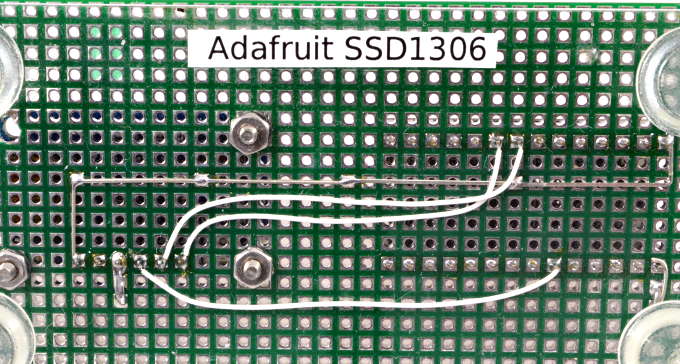
Adafruit 128x32 I2C Wiring
|
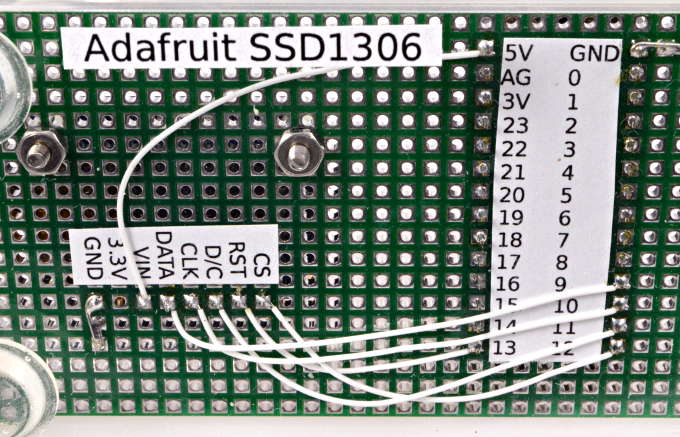
Adafruit 128x32 SPI Wiring
|
|

